
Crested gecko care is simpler than you think.
Food. Water. An evening mist. A cozy place to climb.
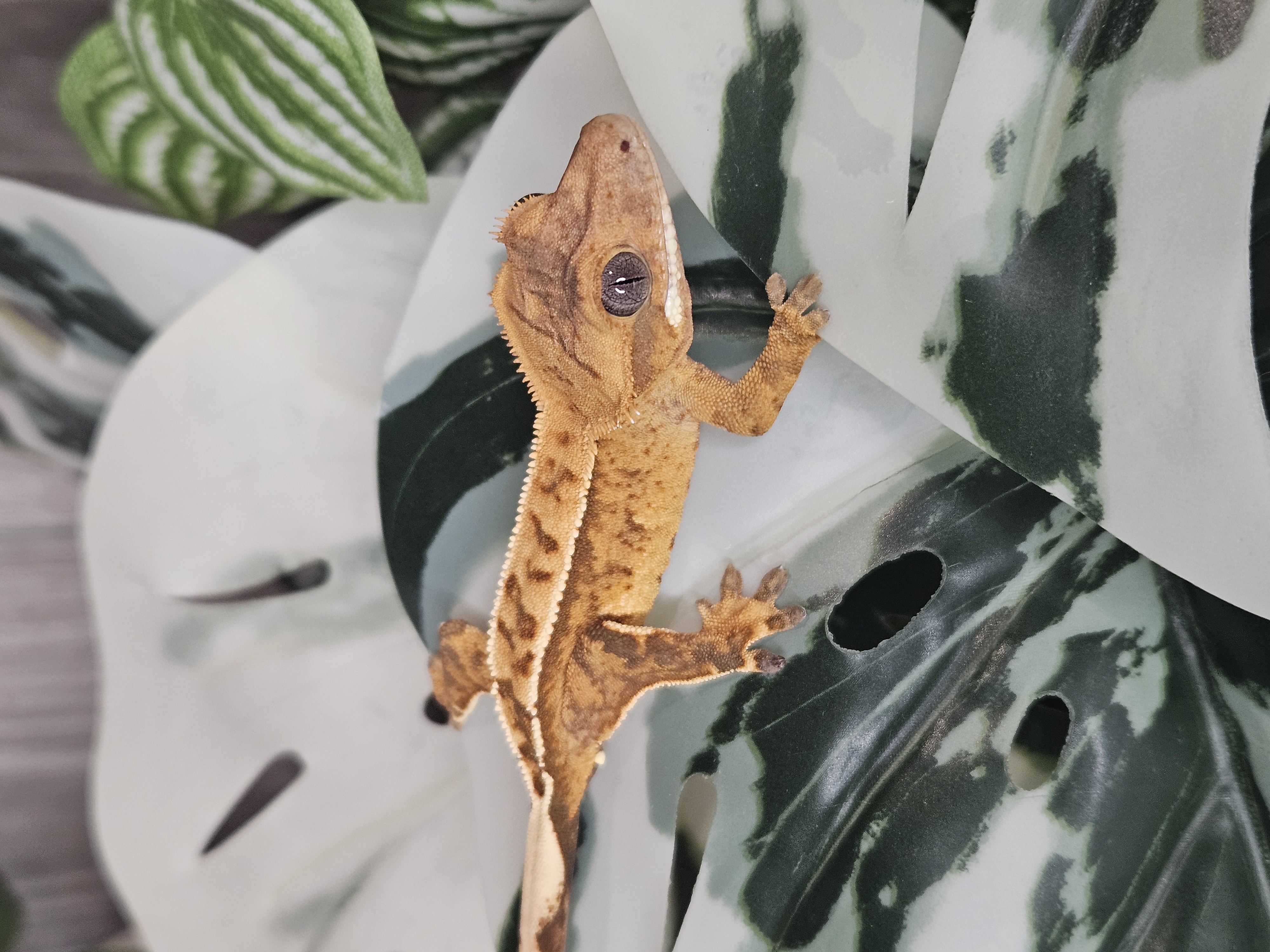
What does taking care of one actually mean?
That's the foundation.
What does that look like in real life?
The same small routine repeats throughout the week.
Most days
Fresh water, a quick enclosure check, and an evening mist for the normal humidity cycle.
Every other day
Mix fresh complete crested gecko food, rinse the dish, and place the new meal back in its familiar spot.
As needed
Spot-clean, check plants and climbing pieces, and make small setup adjustments when there is a reason.
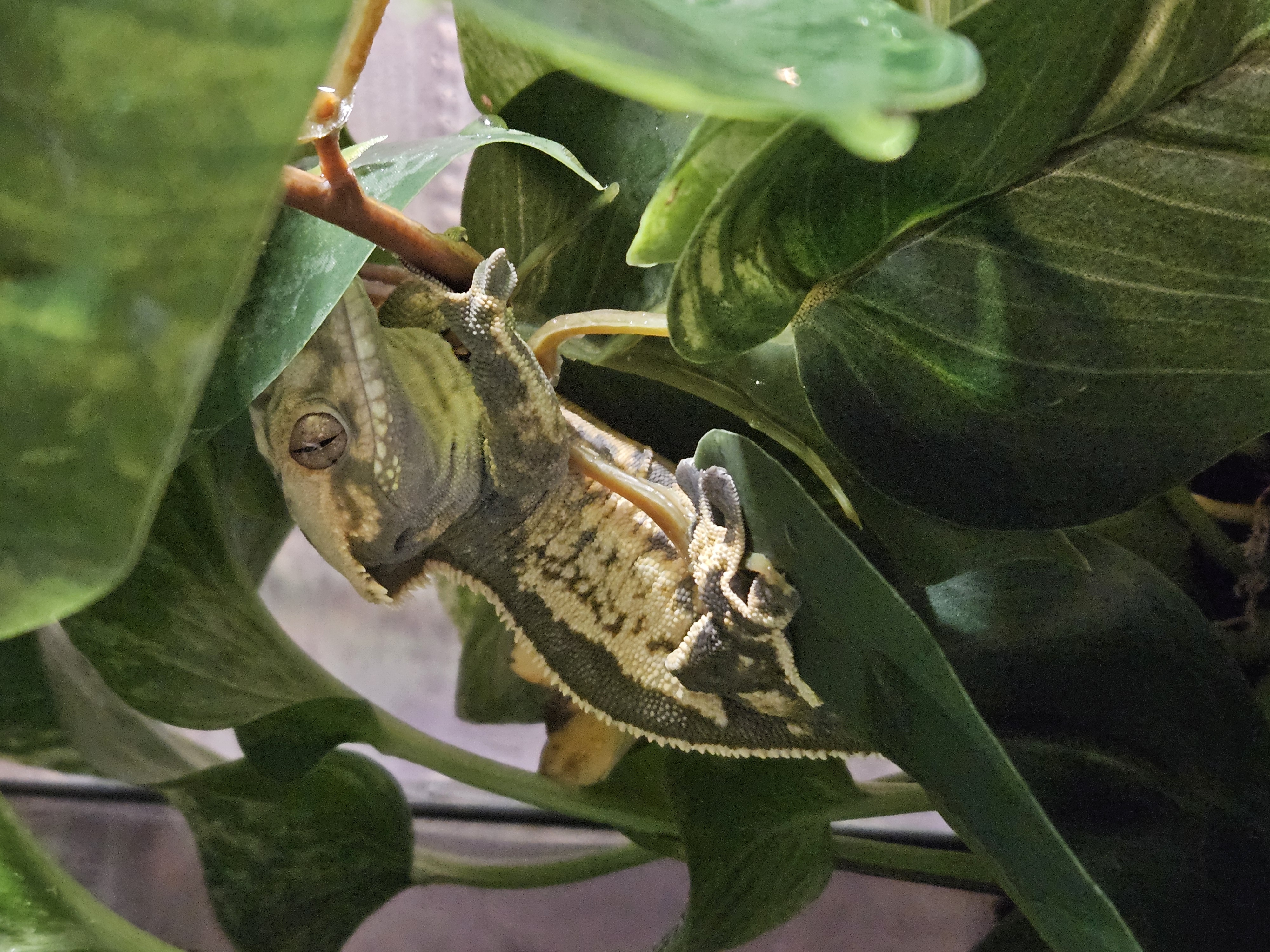
That’s really the routine.
If that sounds manageable, go see who catches your eye.
Meet the Available GeckosYou don't have to figure out the setup from scratch.
Your gecko's Success Kit is matched to their current stage of growth.
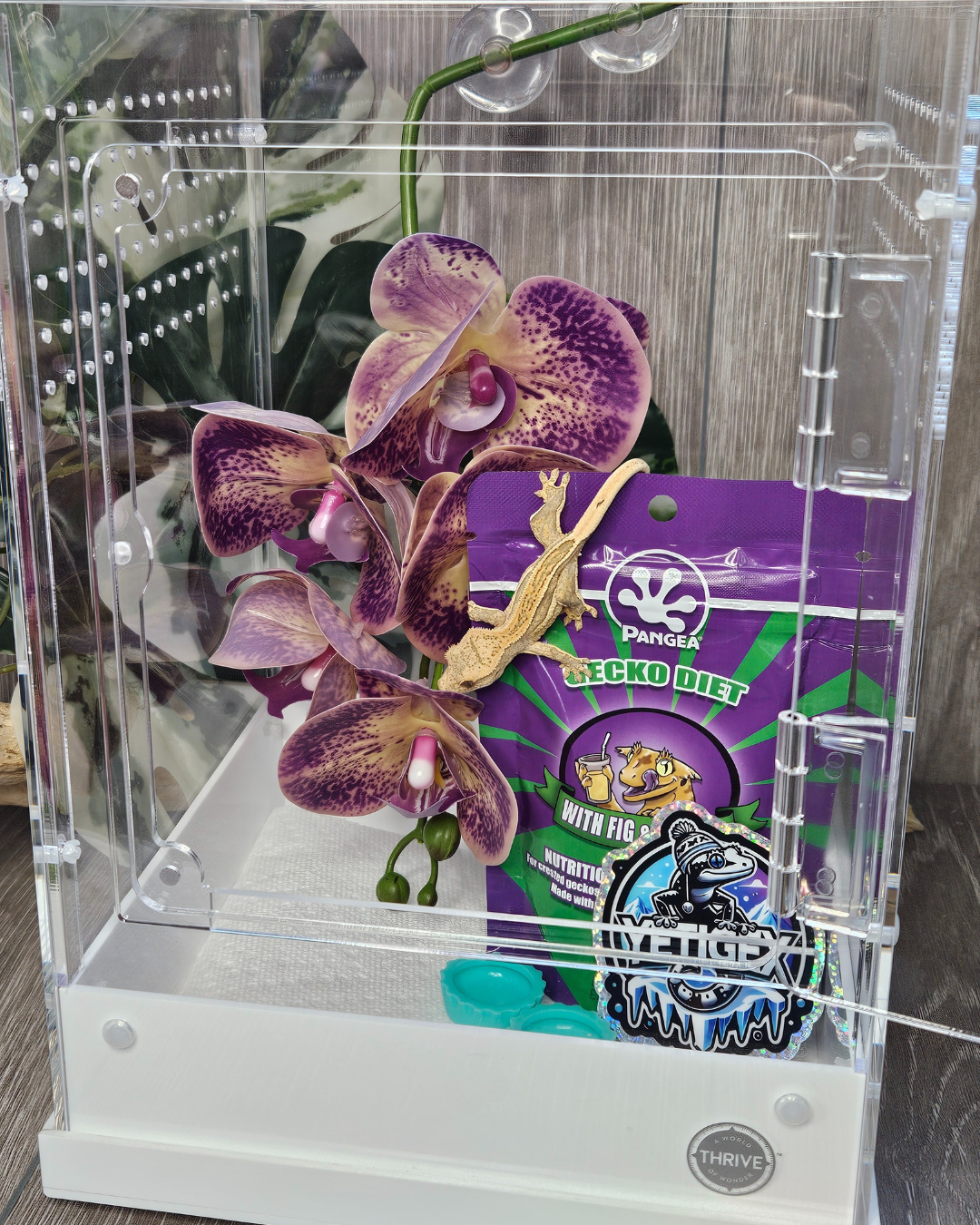
Young Gecko Success Kit
8 × 8 × 12 enclosureA smaller, secure setup makes food, droppings, humidity, and adjustment easier to monitor while a youngster grows.
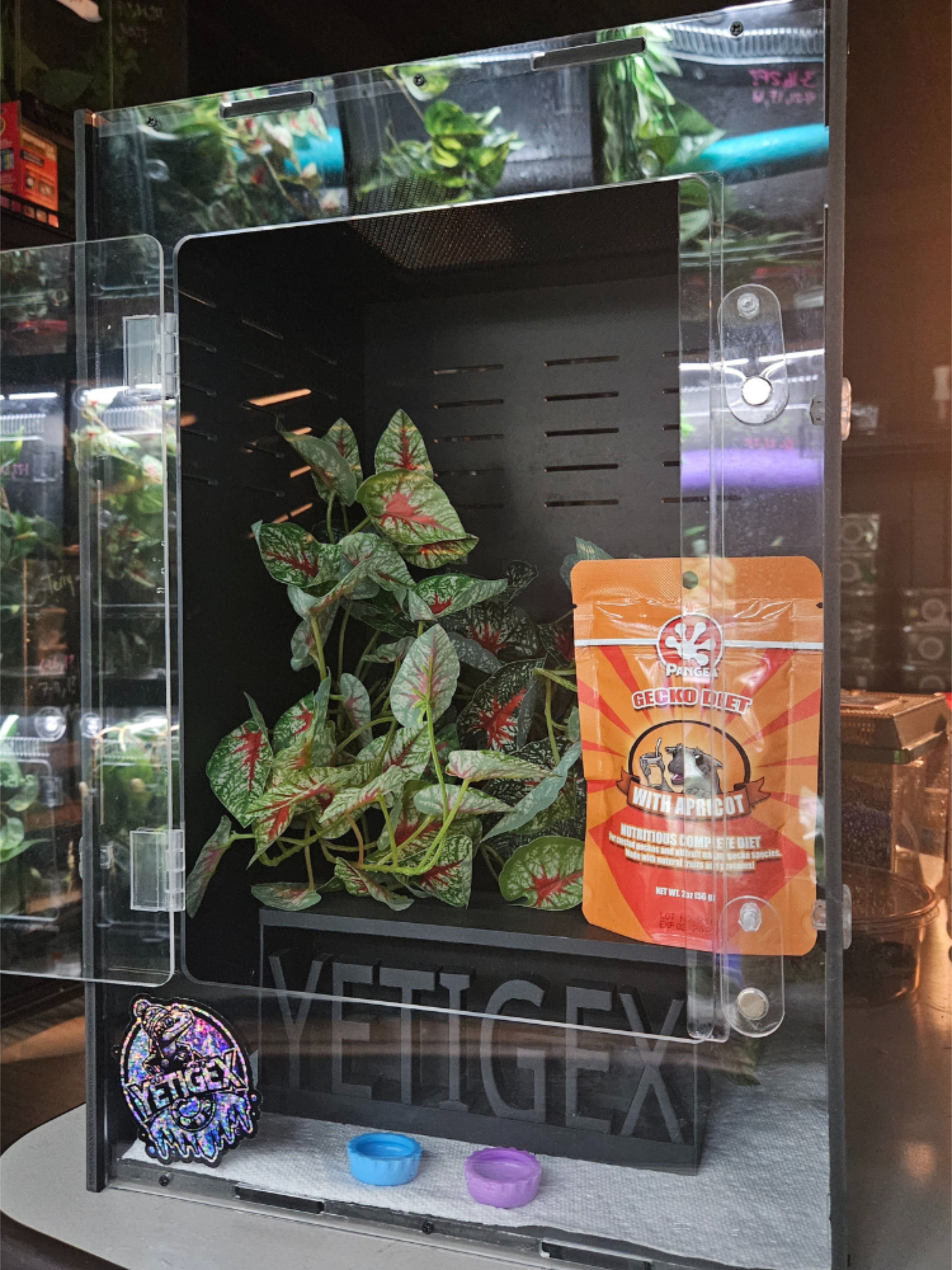
Adult Gecko Success Kit
12 × 12 × 18 enclosureA comfortable vertical enclosure gives an adult gecko familiar essentials for a calm transition home.
Each Success Kit includes the enclosure, a size-appropriate plant, food and water dishes, and the familiar crested gecko diet your gecko already recognizes.
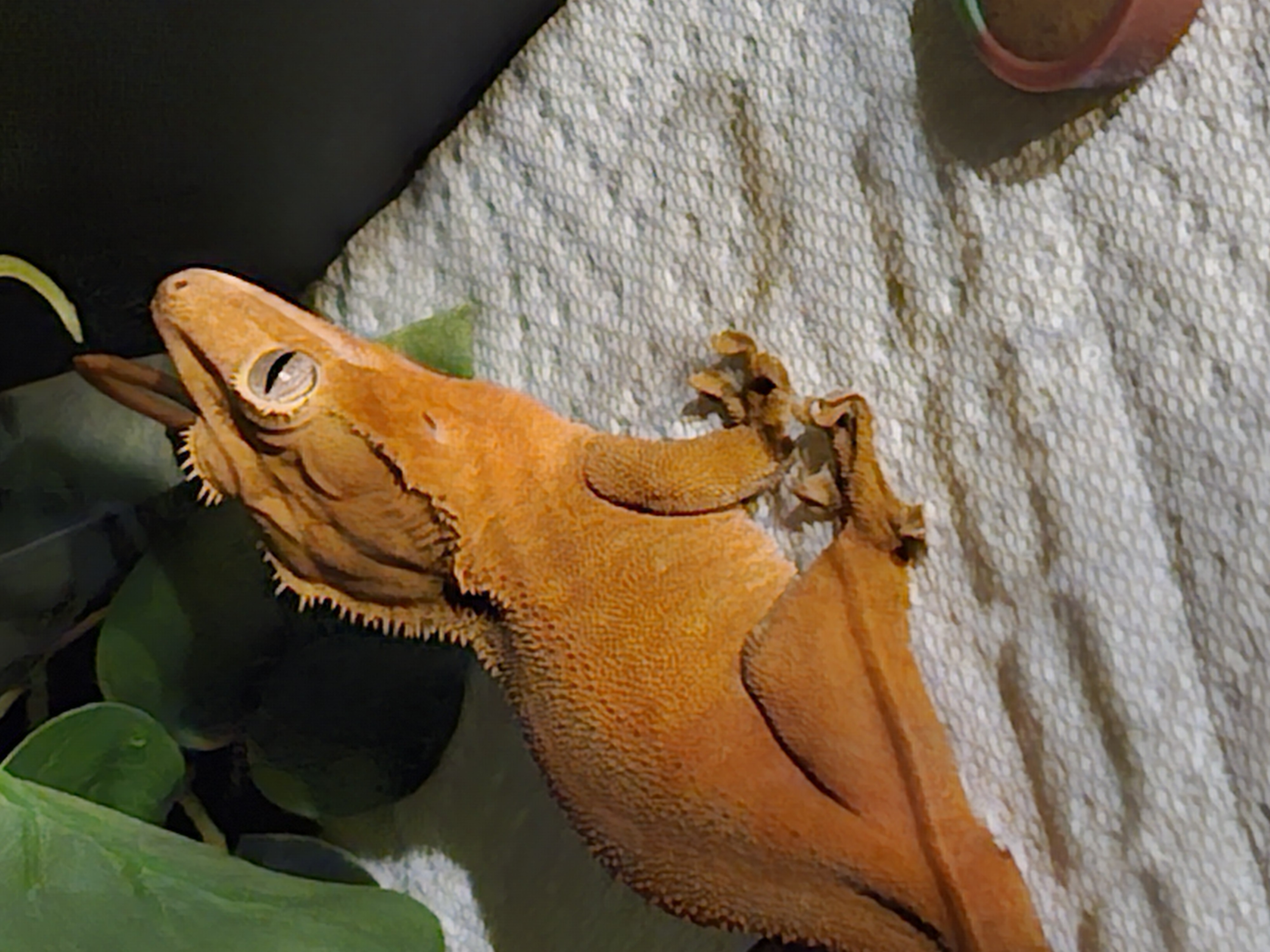
Exploring often comes before eating.
A new enclosure is an entire world to investigate. Some geckos eat the first night; others spend the first few days exploring, hiding, and learning the space.
- Keep fresh food in the same familiar location.
- Hiding, climbing, and nighttime exploring are normal settling behaviors.
- Give them quiet settling time before expecting regular handling.
Want to dig deeper?
You do not need to memorize this before bringing home a gecko. Open only the questions you care about.
How warm should the enclosure be?
Crested geckos generally thrive around 68–78°F. They usually do not need a heat lamp. Avoid direct sunlight and overheating.
What should humidity look like?
Mist in the evening for a healthy humidity spike, then allow the enclosure to gradually dry during the day rather than keeping it constantly wet.
Do they need bugs, heat, or UVB?
A complete crested gecko diet is the main food. Bugs can be optional enrichment. Crested geckos usually do not need a heat lamp, and UVB is optional.
When does a young gecko need a bigger enclosure?
Young geckos begin in the 8 × 8 × 12 Success Kit enclosure. Plan to move a youngster into an adult enclosure within roughly 6–10 months of arriving home, based on growth, confidence, and how the gecko is using the space.
Paper towel or bioactive?
Paper towel is an excellent low-maintenance substrate and makes monitoring simple. Bioactive enclosures can also be enjoyable for people who like planted setups.
What should I know about handling?
Give a new gecko quiet settling time before expecting regular handling. Calm, supervised handling matters more than choosing a particular sex.
Are males or females better for beginners?
Males and females do not have a reliable difference in temperament, adult size, or ability to become a calm pet. Individual personality matters more.
Mature females may lay infertile eggs, often about two per month during summer seasons.
What happens when they shed?
Crested geckos normally eat their shed, so it is uncommon to watch the whole process. They may look pale or milky beforehand. Gentle humidity support is usually all they need for a normal shed.
Curious how a live gecko safely gets to you?
See How Shipping Works
Shipping has its own simple step-by-step page.
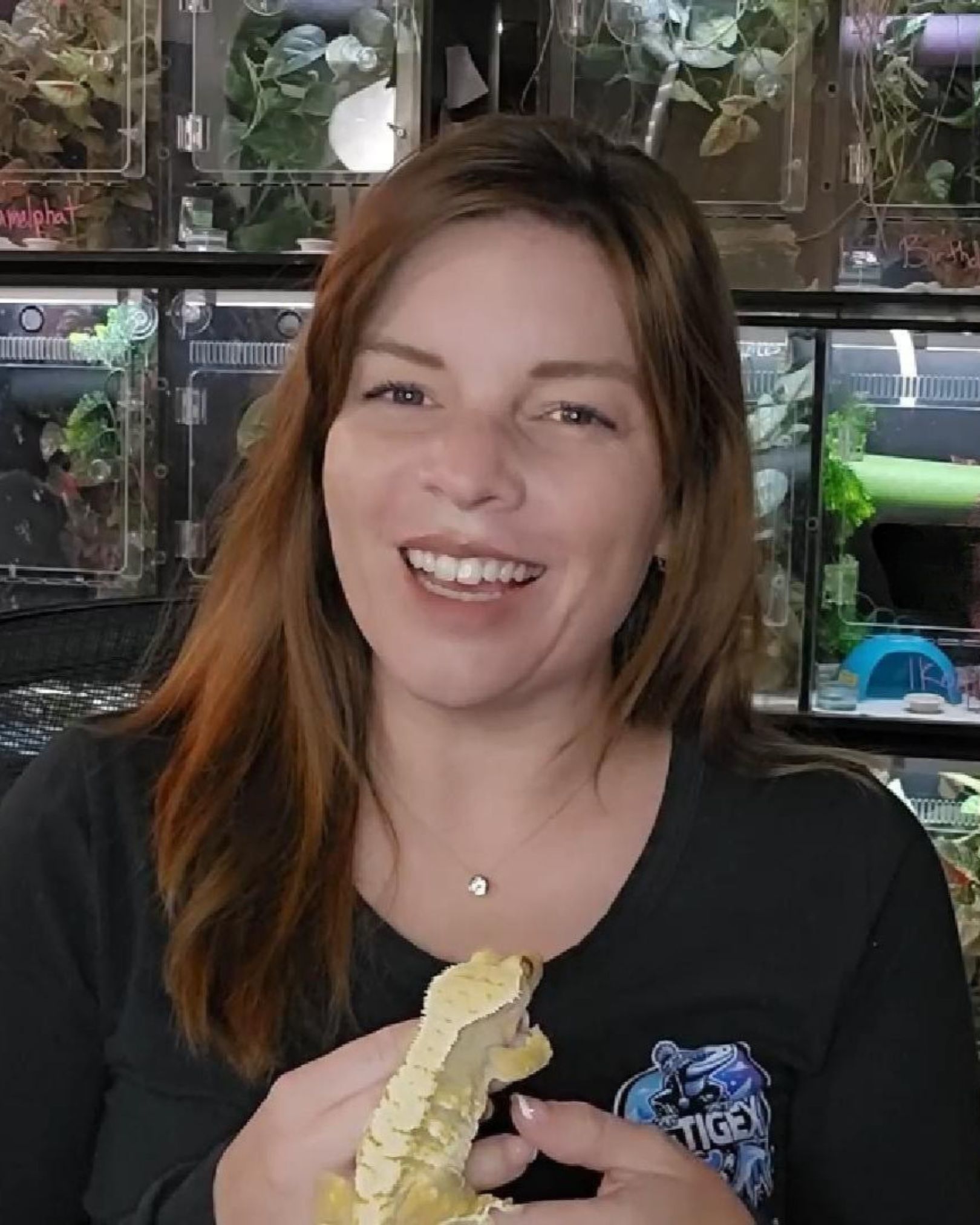
Simple care, with support in your back pocket.
Most owners settle into the routine quickly. If something unusual ever comes up, Brianna is easy to reach and happy to help.
Still thinking about that little face?
Now you know what life with one actually looks like.


Copyright 2026 | YetiGex | All rights reserved.